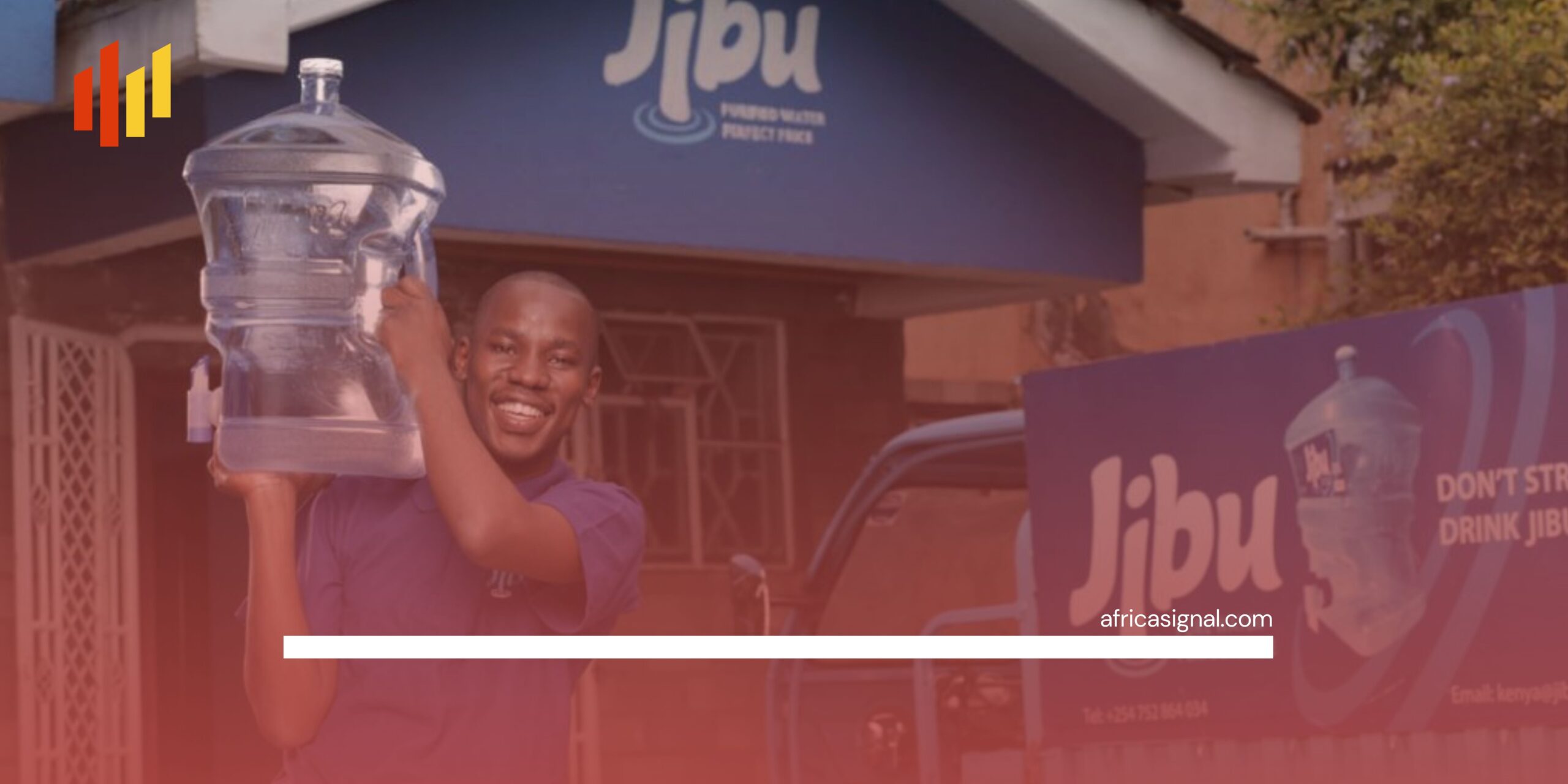
Jibu
Clean water as a business opportunity: how Jibu grows safe drinking water through local franchises.
It is a hot afternoon in a busy part of Kampala. The tap water runs, but it is not safe to drink. Families must boil it (which takes time, costs money, and makes smoke) or buy expensive bottled water.
A small shop nearby offers another choice: refillable 20-liter bottles of clean water. The water is made locally and sold at a price that is similar to boiling water at home.
The shop owner is not part of a charity. She is a franchise business owner. Jibu gives local people the tools and money to clean and sell safe water in their own communities. This turns a basic human need into a repeating business that makes money.
Jibu’s idea is simple: clean water reaches more people when communities own the solution.
Key Numbers
Note: different sources show different numbers for shops by year; these numbers are safe estimates.
Company Information
Jibu is a business that builds local franchises for basic needs. Clean drinking water is their main product. They pay for, set up, and keep water cleaning systems working. Then they train local business owners to run water shops and delivery routes. The result: low-cost safe water for families and a good small business for shop owners.
From an impact investor
Leadership
| Role | Name | Background |
|---|---|---|
| Founders | Galen Welsch & Randy Welsch | Business people from the US; opened first water shop in Kampala in 2013 |
| Shop owners | 180+ local owners | Run water cleaning centers and local sales networks |
| Partners | Impact funds and development banks | Provide money for growth |
How the Franchise Model Works
Jibu removes two big problems for safe water businesses: the cost to start and the technical knowledge needed. This lets business owners focus on local sales and service.
What Jibu Gives to Shop Owners
Growth and Results
The network has grown steadily by using the same business model in different communities. By 2021, Jibu shops sold 102 million liters each year. With help from special loans, four main markets alone sold 243 million liters between October 2021 and June 2024.
Impact Highlights
- Jobs created: 2,450+ full-time jobs across the network (2021-2022 data).
- Women business owners: 27 women-run shops in supported markets (2021-2022 data).
- Environmental benefit: Less home boiling of water and less plastic waste from bottle reuse.
Where They Work
Jibu works across East and Central Africa, mostly in cities and towns where water is available but not safe to drink.
| Country | Presence | Notes |
|---|---|---|
| Uganda | First market | First shops opened in Kampala (2013) |
| Rwanda | Many shops | High number of sales points |
| Kenya | Growing network | City refill model expanding |
| Tanzania | Active market | Town areas |
| DR Congo | Active market | Mainly in Kinshasa |
| Zambia | Active market | Shops + delivery |
| Burundi | Active market | Smaller presence |
| Ghana | New market | First in West Africa |
Network size: About 180 water shops and thousands of sales points across markets.
Funding History
Jibu is supported by impact investors and special finance partners that pay for new shops and daily operations. Public information focuses more on how money is used than company value.
Main Supporters
Competitive Landscape
Jibu works in the “local safe water + small utility” space. The main difference from others is local ownership at scale.
| Organization | Model | Scope | How Jibu is Different |
|---|---|---|---|
| Jibu | Franchised cleaning + sales | 8 countries | Local owners + same cleaning standards |
| Community water shops (NGO-run) | Grant money | Local only | Jibu is market-based with repeating income |
| Home water filter brands | Product sales | National | Jibu offers pay-per-refill with no equipment cost for users |
| Big bottled water companies | Central bottling | City middle class | Jibu is local, cheaper, and uses refills |
Key Lessons for Founders
What can business starters learn from Jibu’s model?
- Basic needs can be big businesses. Water is a repeating need with high customer loyalty.
- Franchising speeds growth. Local ownership removes the need for a big central team in each community.
- Same standards build trust. Consistent quality is the brand protection.
- Mixed finance works for asset-light models. Use impact money for equipment, not daily losses.
- Price against the real choice. If boiling costs $X, set your price lower.
- Add other basic products later. A trusted shop becomes a place to sell other needed items.
• Shop numbers and liters sold: Water Unite Impact news (Sep 2022) and investor notes.
• Countries served: Danone Communities profile and Jibu website.
• Program results and daily volumes: Aqua for All / FISF update (Oct 2024).
• Business numbers: investor comments (2021).
Data checked November 2025. jibuco.com